
A bad toothache can take over your whole day. It can make it hard to eat, sleep, work, or focus. In some cases, fast treatment is the best way to stop the pain and protect your oral health. That is when a same-day tooth extraction may be the right choice.
At East El Paso Dentist, patients with severe tooth pain often need quick answers. In this guide, you will learn what a same-day tooth extraction is, when it may be needed, and what to expect before, during, and after your visit.
What you’ll learn:
- What same-day tooth extraction means
- Common reasons a tooth may need to be removed quickly
- What happens during the procedure
- When to call for emergency dental care
Same-Day Tooth Extraction: Why It Matters
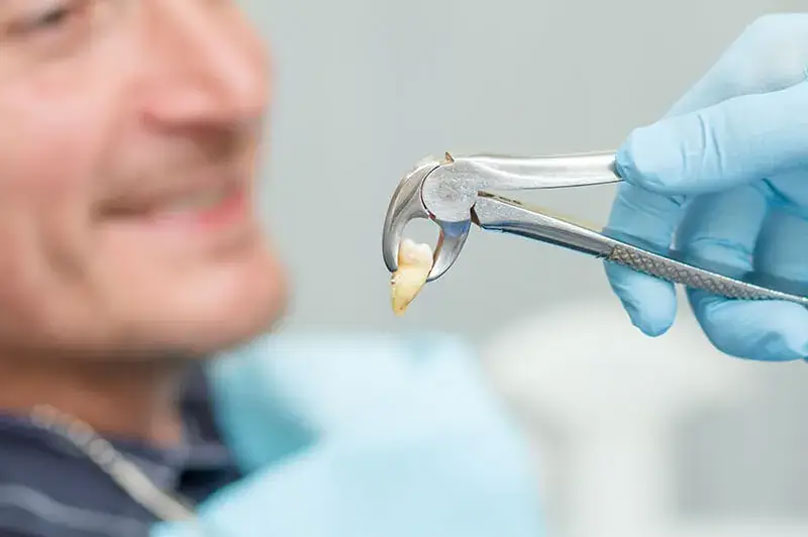
A same-day tooth extraction means your dentist examines the problem and, if needed, removes the tooth during the same visit. This is often done during an emergency dental appointment when waiting could make the problem worse.
Not every painful tooth needs to be removed. In some cases, a filling, crown, or root canal may save it. But if the tooth is badly damaged, infected, or beyond repair, extracting it right away may be the safest and most effective option.
If you are struggling with severe pain, start here: get the tooth checked as soon as possible. Fast care can help stop pain, reduce infection, and protect nearby teeth and gums.
Quick takeaway: Same-day treatment is about relief and prevention. It helps you feel better sooner and lowers the risk of bigger dental problems.
When You Might Need a Same-Day Tooth Extraction
There are several reasons a dentist may recommend removing a tooth on the same day. Most involve pain, infection, damage, or a tooth that cannot be restored.
Common reasons include:
- Severe tooth decay
- A cracked or broken tooth that cannot be repaired
- A serious dental infection or abscess
- Advanced gum disease that has loosened the tooth
- Trauma from an accident or injury
- Painful wisdom teeth
- A tooth that is too damaged to support a crown or filling
For example, a patient may come in with swelling, sharp pain when biting, and a tooth that has broken near the gumline. In that case, saving the tooth may no longer be possible. Removing it the same day can bring quick relief and help prevent the infection from spreading.
Common mistake: waiting too long and hoping the pain will go away on its own. Dental infections often get worse, not better, without treatment.
Quick takeaway: If the tooth is severely damaged or infected, fast removal may be the best next step.
Signs You Should Call Right Away
Some symptoms should not be ignored. If you notice any of the signs below, call a dentist as soon as possible.
Warning signs of a dental emergency
- Constant or severe tooth pain
- Swelling in the gums, face, or jaw
- A bad taste in your mouth
- Pus near the tooth or gums
- Pain when chewing
- A loose adult tooth
- Fever along with tooth pain
- A broken tooth with bleeding or sharp pain
These symptoms may point to an infection or serious damage. A quick exam can help you find out what is wrong and what treatment is needed.
Try this checklist: if your pain is strong, your face is swelling, or you see signs of infection, do not delay care.
Quick takeaway: Severe pain, swelling, and infection are strong signs that you may need emergency dental treatment.
What to Expect During the Procedure
Many patients feel nervous about a tooth extraction. That is normal. The good news is that the process is usually simple, and your dental team will work to keep you comfortable.
1. Exam and X-rays
Your visit will begin with an exam and likely digital X-rays. This helps the dentist see the tooth, roots, and bone around it.
2. Treatment review
Your dentist will explain whether the tooth can be saved or if extraction is the best option. You will also learn if the procedure will be simple or surgical.
3. Numbing the area
Local anesthesia is used to numb the area before treatment starts. You may feel pressure during the extraction, but you should not feel sharp pain.
4. Removing the tooth
If the tooth is easy to reach, the extraction may be quick. If it is broken below the gumline or impacted, a surgical extraction may be needed.
5. Aftercare instructions
Once the tooth is removed, gauze is placed over the area to help control bleeding. You will then receive instructions for healing at home.
Quick takeaway: The process is designed to be safe, efficient, and as comfortable as possible.
What Recovery Is Like After Tooth Extraction
Most people recover well after a same-day tooth extraction, especially when they follow instructions closely. Some soreness, swelling, and light bleeding are normal for the first day or two.
You may be told to:
- Bite gently on gauze
- Rest for the remainder of the day
- Avoid drinking through a straw
- Avoid smoking
- Eat soft foods
- Keep the area clean
- Take medications as directed
One of the most important parts of healing is protecting the blood clot that forms in the socket. If that clot comes out too soon, it can lead to dry socket, which can be painful.
If pain gets worse instead of better, or if swelling, bleeding, or fever increases, call the office right away.
Quick takeaway: A smooth recovery depends on simple aftercare and knowing when to call if something feels off.
Get Help for Emergency Tooth Pain in East El Paso
Severe tooth pain can make daily life miserable. A same-day tooth extraction may be the fastest way to stop the pain and protect your oral health when a tooth cannot be saved.
East El Paso Dentist is here to help with prompt, compassionate care.
Call or Text
(915) 201-5530
New Location!
2720 John Hayes
Suite 505,
El Paso, TX 79938
If you think you may need an emergency tooth extraction, do not wait for the problem to get worse. Schedule your appointment today and get the care you need as soon as possible.